
Why Themed Content Works
The fastest way to kill a food brand's social media is to wake up every Monday and ask "what should we post this week?" That question is where momentum dies. The answer is themed recurring series — same categories, same cadence, same days of the week — so every shoot, every caption, and every asset slots into an existing structure.
We built this framework for Case Specific Meal Prep (CSMP), a Pittsburgh meal prep company, and ran it for a full year. Owner Vince and Chef Dom went from scattershot posting to a clear weekly rotation that their audience actively anticipated. Here's how it was structured and why it worked.
The CSMP Framework
The calendar rotates on a two-week cycle. Weeks 1 & 3 run one rotation; weeks 2 & 4 run another. Each week has three feed posts plus daily interactive stories — enough to stay present without burning out production.
Weeks 1 & 3
- Tuesday — Client Testimonial. Real customer quote + photo. Builds trust with the single most powerful form of copy: other customers' words
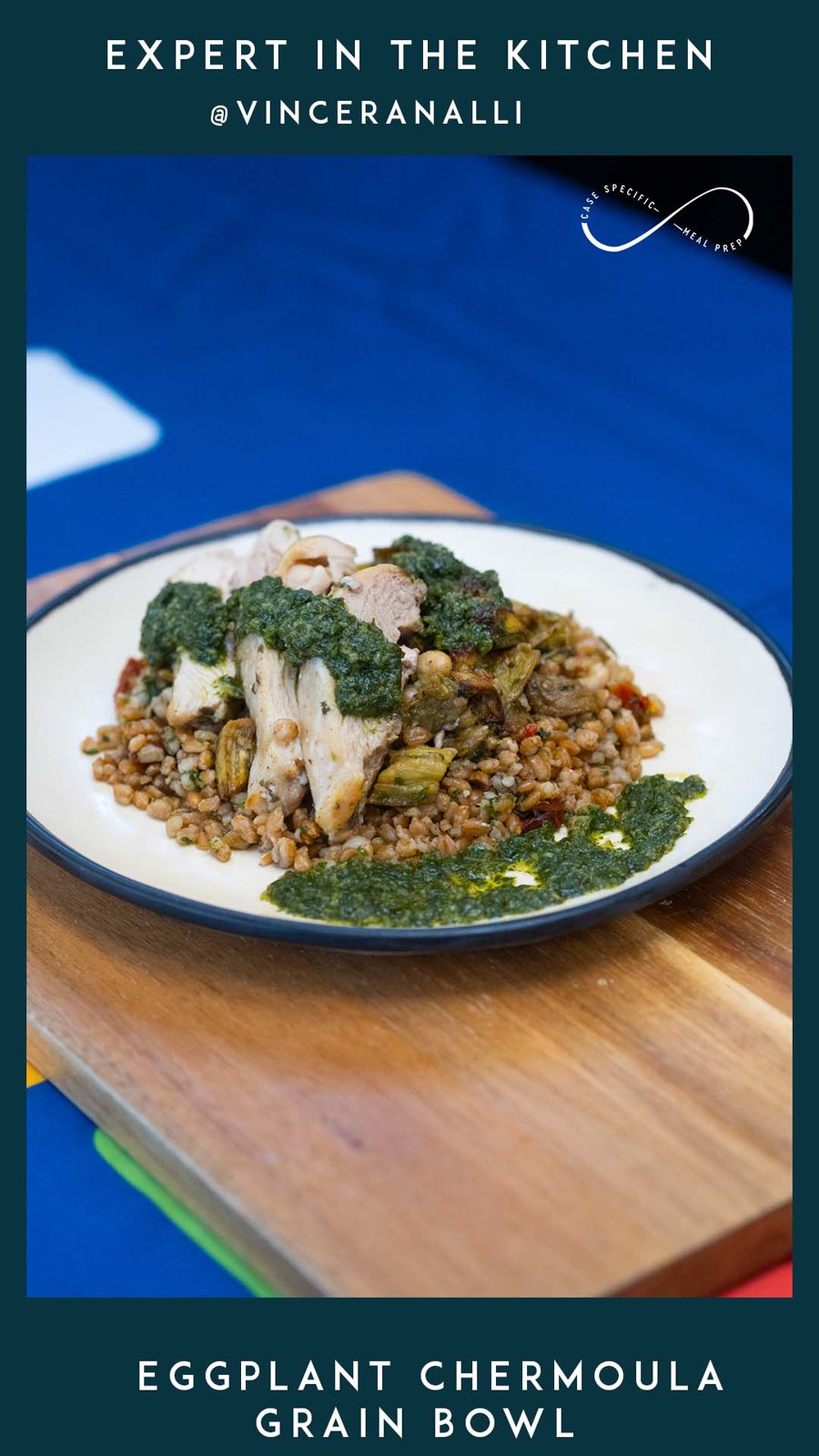
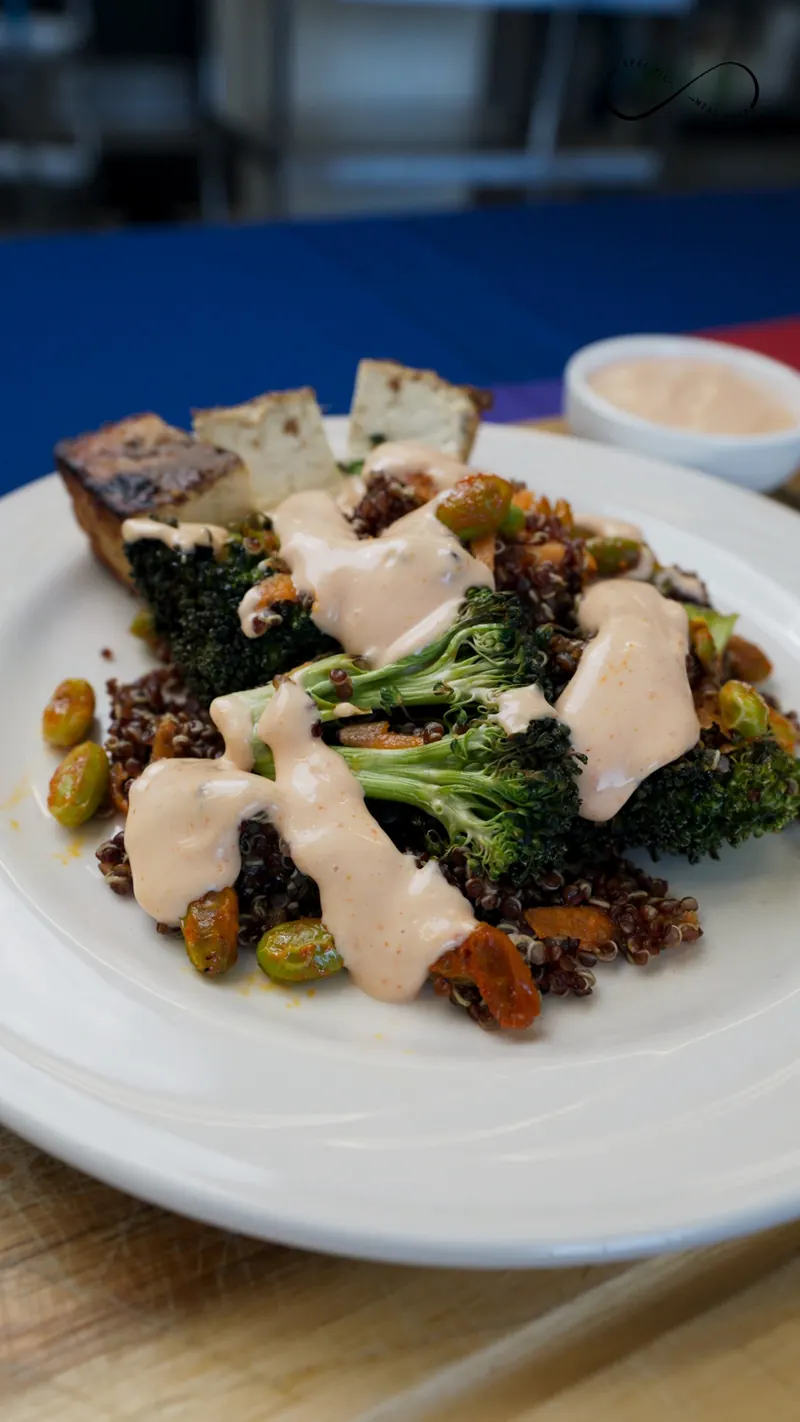
- Thursday — Chef's Choice. Reel of Chef Dom creating a featured dish, step by step. This is the engagement driver
- Saturday — Ingredient Spotlight. Vince walking through the nutritional profile of a featured ingredient. Educational, branded, repeatable
Weeks 2 & 4
- Monday — CSMP Spotlight. Vendors, staff, upcoming events, community partners. Shows the business ecosystem beyond the food itself
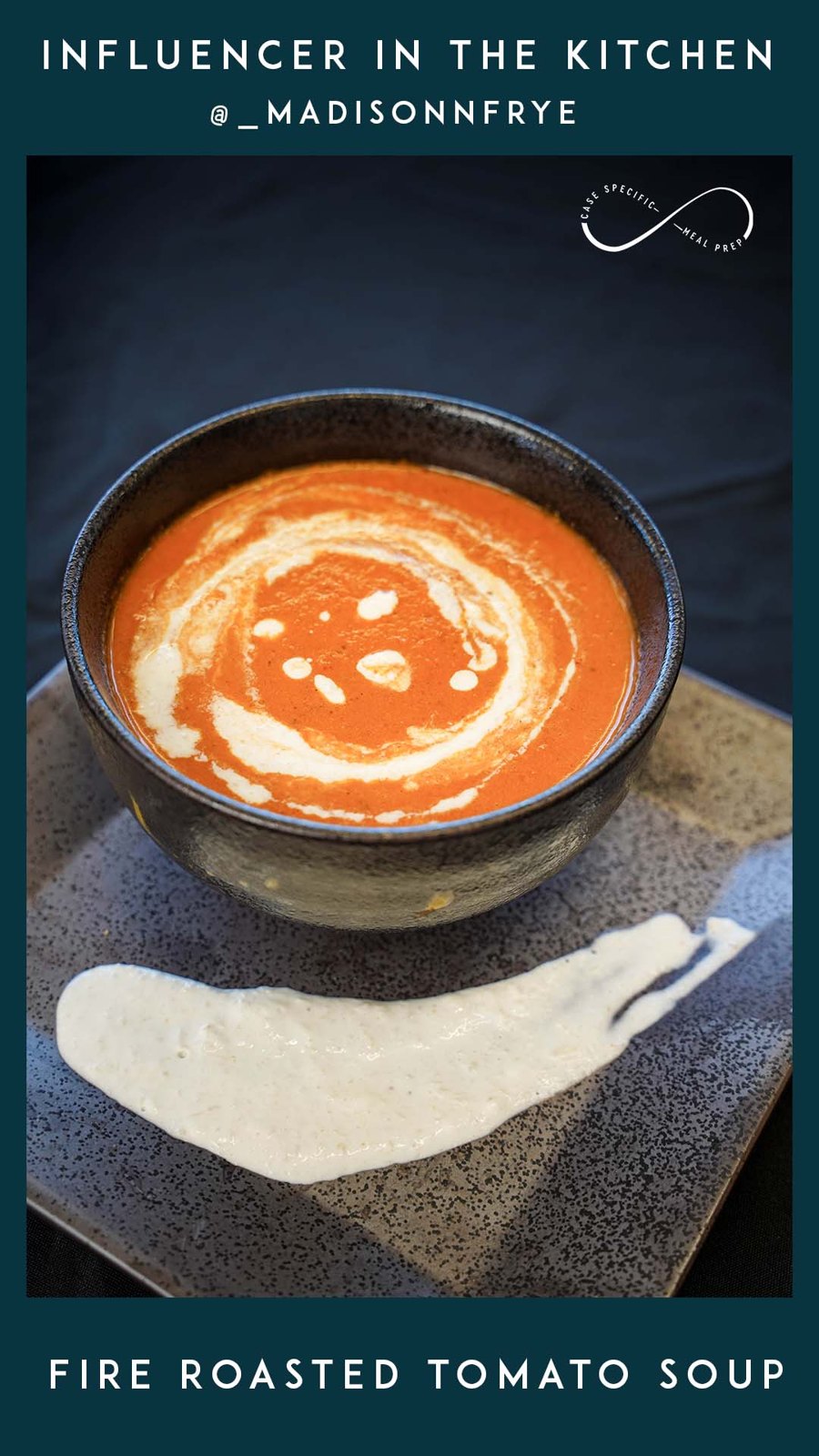
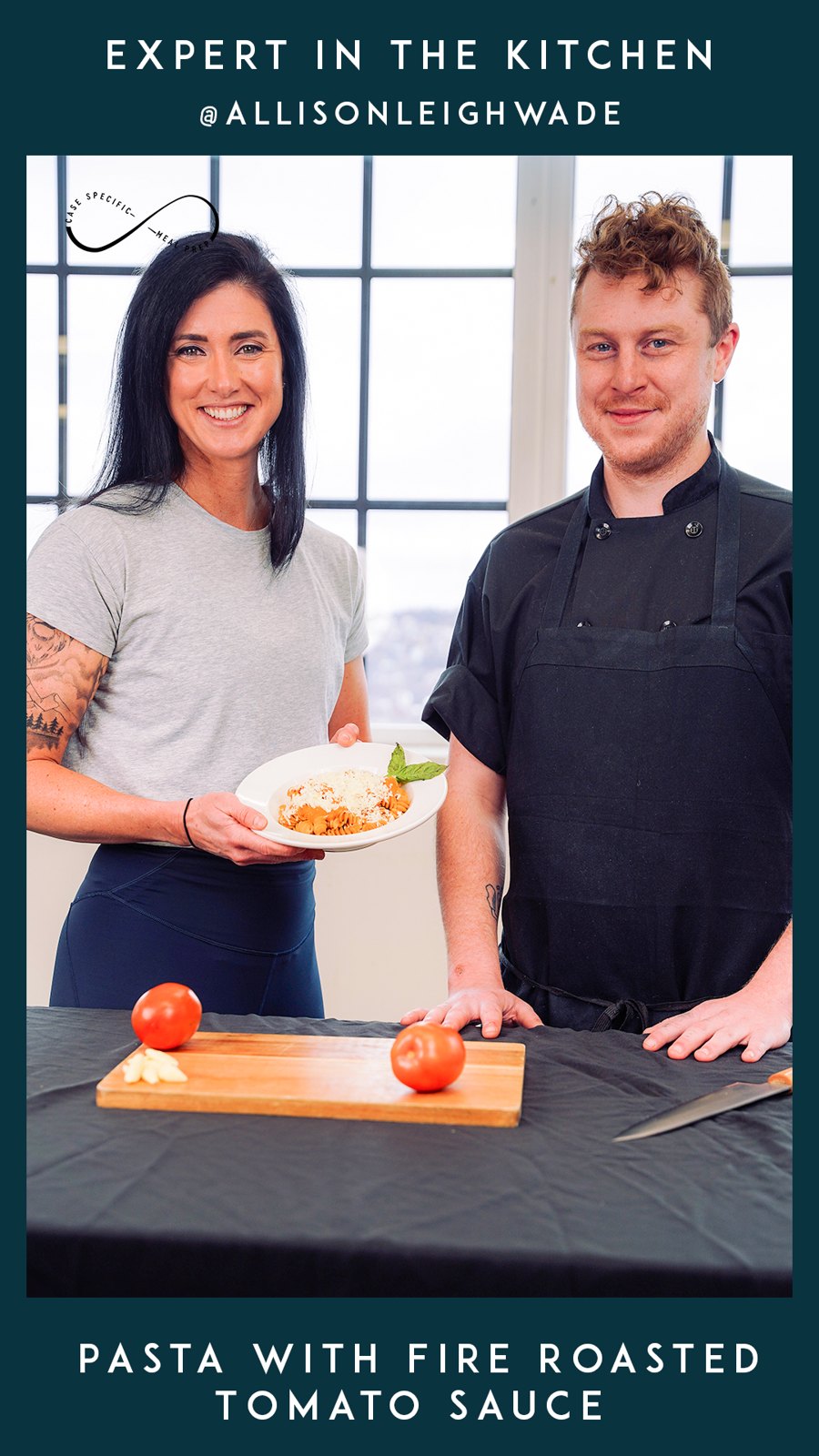
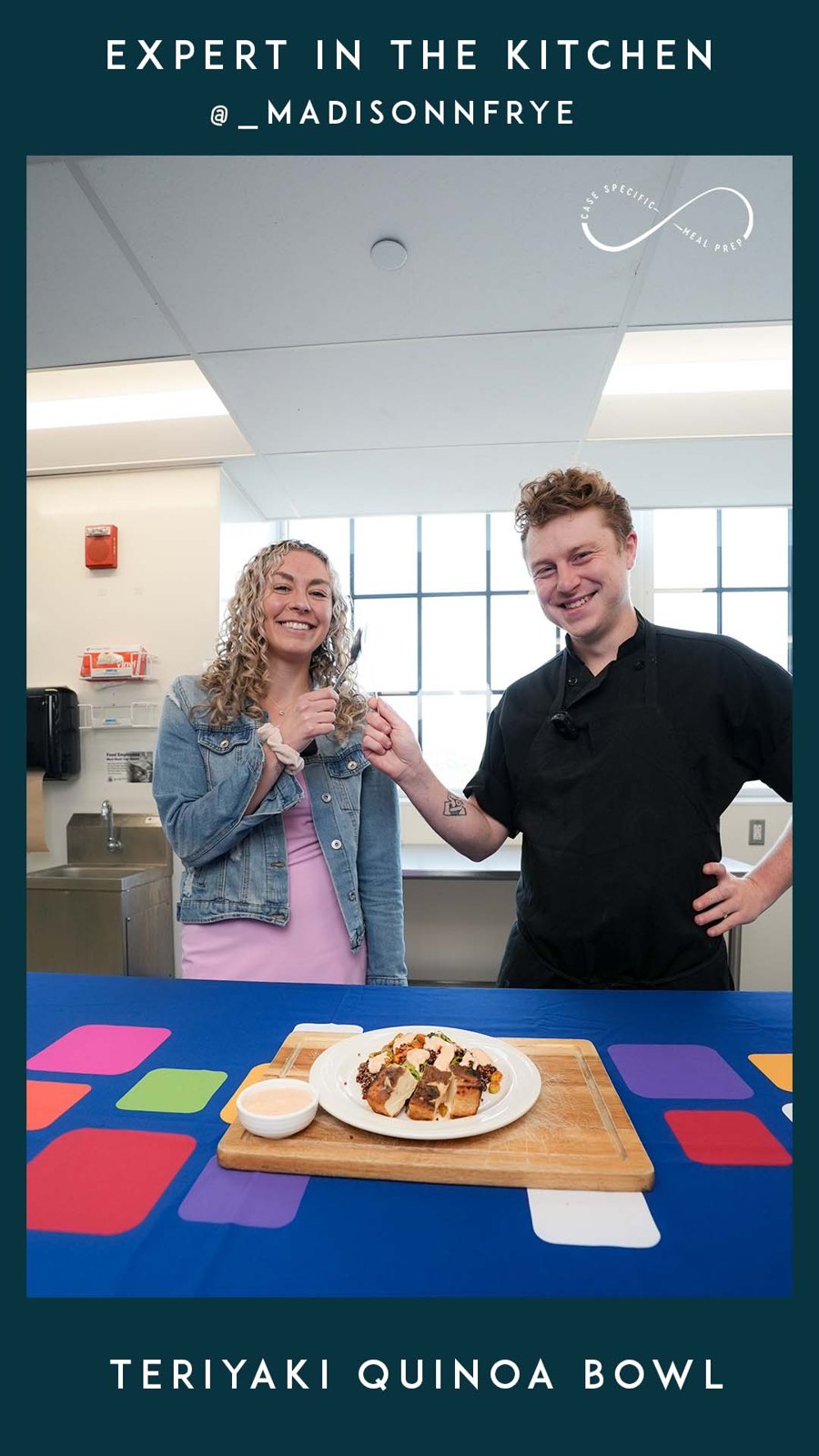
- Wednesday — Influencer in the Kitchen. A local Pittsburgh influencer cooks their favorite dish with the chef on camera, then eats it and explains why. More on why this works below
- Friday — Healthy Tip. Chef or Vince shares a practical swap (e.g. baking chicken vs. frying). Useful, shareable, never salesy
Every day also runs interactive story posts (reminders to order, "Question for you!" engagement prompts, etc.) posted 6:00–6:30 PM for optimal reach. Feed posts go live 6:30–7:00 PM.
Building Your Own Series
You don't need to copy CSMP's exact structure. You need 5–6 recurring themes that satisfy four criteria:
- Relatable to your audience. Every theme must answer a question your customer already has about your product category
- Easy to produce at scale. You should be able to capture a month's worth in one shoot. If a theme requires a special setup every single time, it won't survive
- Balanced across social proof, education, entertainment, and sales. A diet of pure "buy now" posts kills engagement. A diet of pure education doesn't drive revenue. Mix it
- Branded visually. Each theme gets a consistent template (color, logo placement, texture, typography) so the audience recognizes the series on sight
Production Workflow
Themed calendars only work if the production behind them is batched. Our pipeline for CSMP:
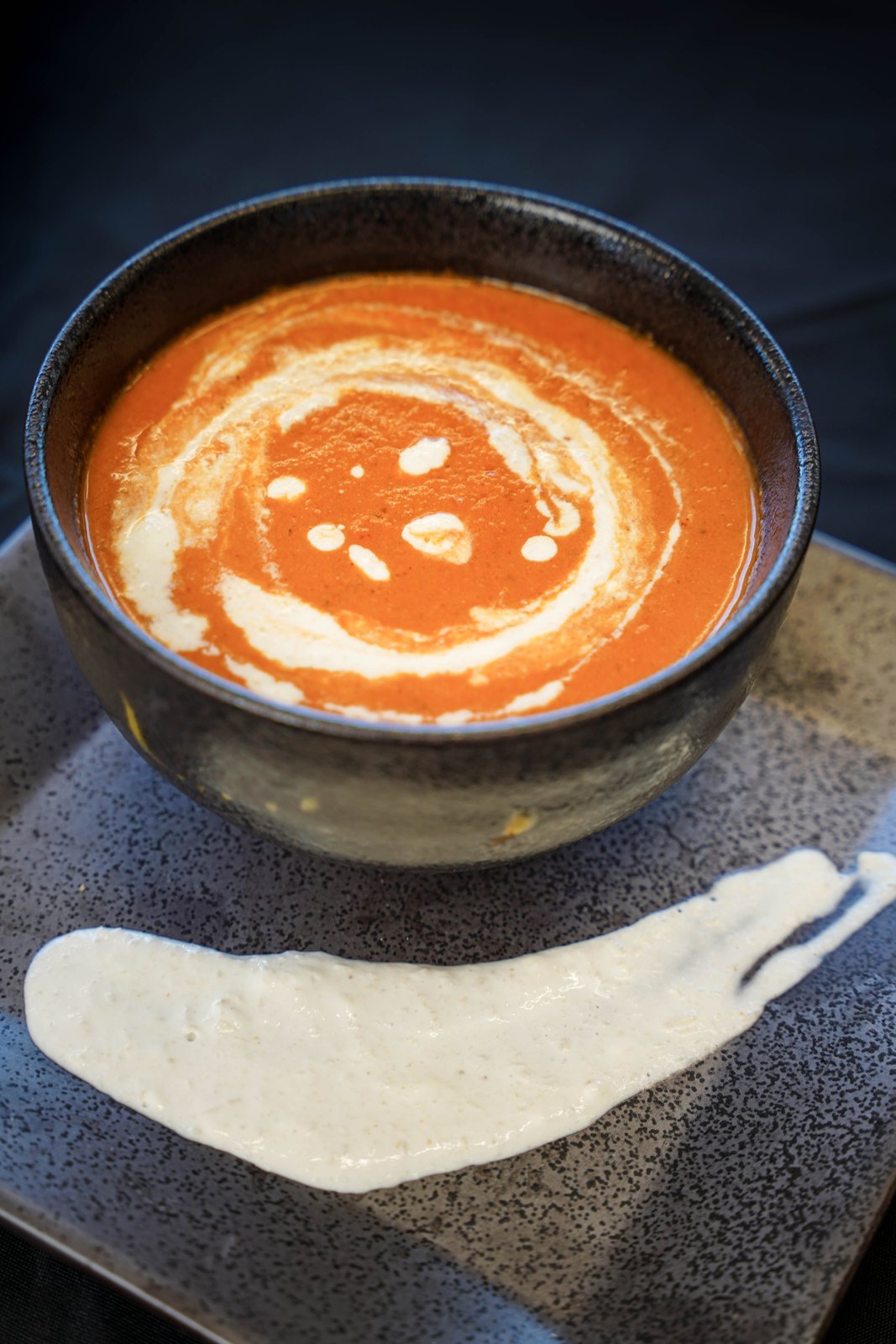
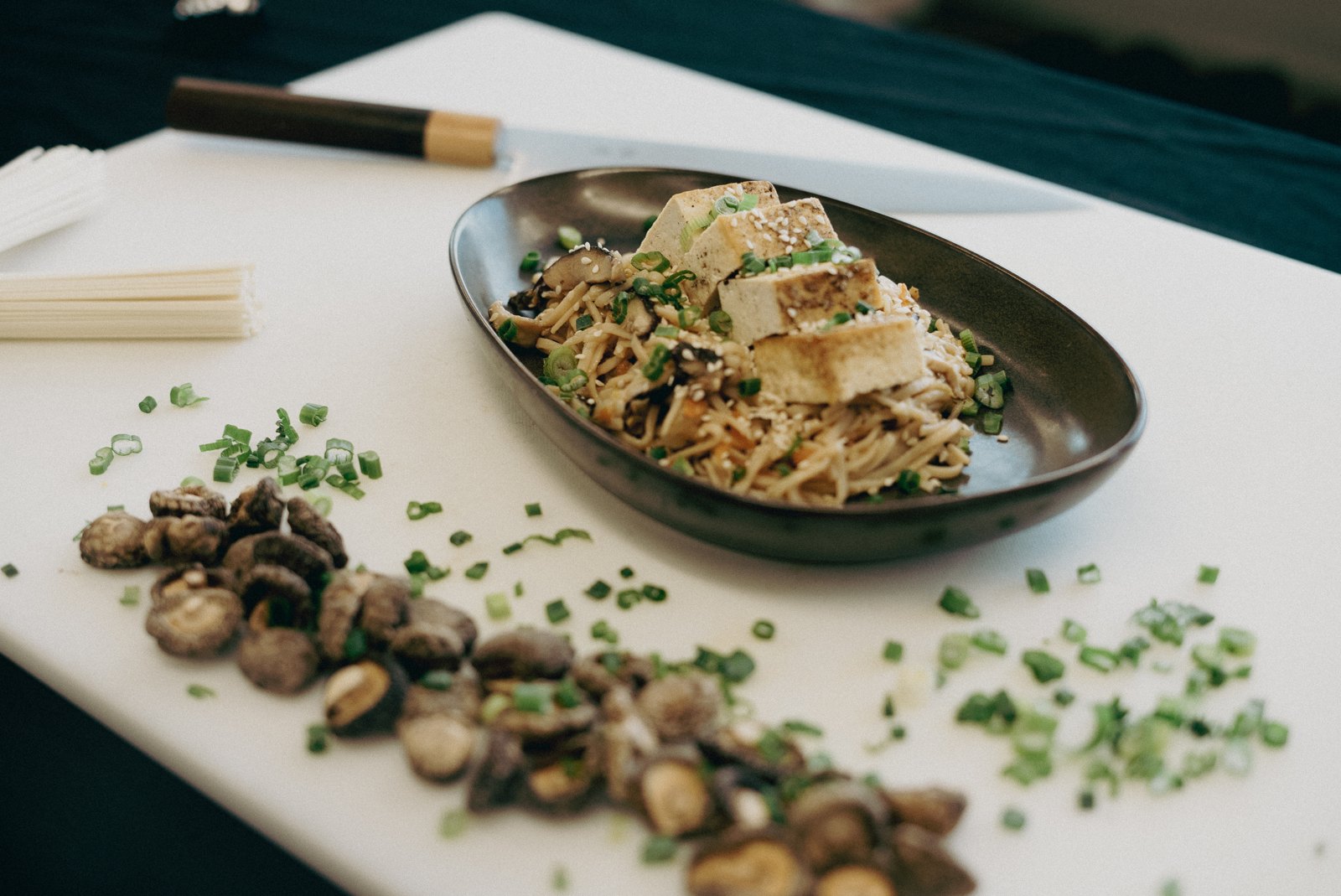
- Monthly 3-hour content shoot capturing photos + reels for every theme scheduled that month. The chef cooks 4–6 featured dishes, the photographer captures each step, the videographer shoots reels. One day, one month of content
- Reusable graphic templates built in advance for every theme — brand color palette (blue/green alternation), CSMP logo, Stoop watermark, cutting-board texture background, placeholder slots for image + caption
- A shared tracker with four layers per post: Production, Copywriting, Graphics, Platform Analytics. Every team member knows what they own
- Approval workflow: Chef Dom approved recipe/technique accuracy, Vince approved captions, Stoop approved final deliverables before publishing
The "Influencer in the Kitchen" Model
This one deserves its own section because it quietly became one of the highest-performing recurring themes.
We invited local Pittsburgh influencers to come in for a 1-hour shoot, cook their favorite meal with Chef Dom on camera, and then eat it while explaining why they loved it. In exchange, they received free meals — not a cash fee.
This is content collaboration, not influencer marketing. The distinction matters:
- The influencer isn't being paid to promote a product — they're co-creating content that CSMP gets to reuse
- They post it naturally because it features them, in their voice, with their followers
- CSMP gets a native-feeling reel from a credible local influencer for the cost of a few meals
For small food brands that can't yet afford $500–$1,000 per-influencer sponsorship fees, this model produces 80% of the value at 10% of the cost. It should be in every F&B brand's playbook.
Results & Lessons
What we learned over the year:
- Chef's Choice + Influencer in the Kitchen drove disproportionate engagement. Faces and motion beat static food photography every time
- Interactive stories > feed posts for sustained daily presence. Feed posts build the portfolio; stories build the relationship
- Consistency beat creativity. An average post, published on schedule, outperformed a great post published sporadically
- Order-reminder stories (Wednesday cutoff) drove real revenue. Social media isn't just brand — when you sell a weekly-order product, a Tuesday-night reminder converts
Frequently Asked Questions
What is a themed content calendar?
A recurring weekly schedule where each day has a specific content theme (e.g., Monday = brand spotlight, Thursday = chef's choice). It creates audience expectations and simplifies batch production.
How often should food brands post on social media?
3-5 feed posts per week plus daily stories. Consistency matters more than volume — a reliable cadence builds trust and algorithmic favor.
Want a themed content calendar built for your brand? We structure, produce, and manage content at scale.
View CSMP Case Study Content Development